Things to know before booking your Vancouver whale watching tours

  1. Know your options: Daytime whale watching tours run from March–November, with a scheduled departure at noon; sunset whale watching tours run from June–August with a scheduled departure at 4:30pm.
  2. Guarantee applies: Both tours offer a ~95% sighting success rate. In the unlikely event that you don’t see any, the Year-round Whale Sighting Guarantee applies to both tours, which will get you on another tour, at your convenience and free of charge.
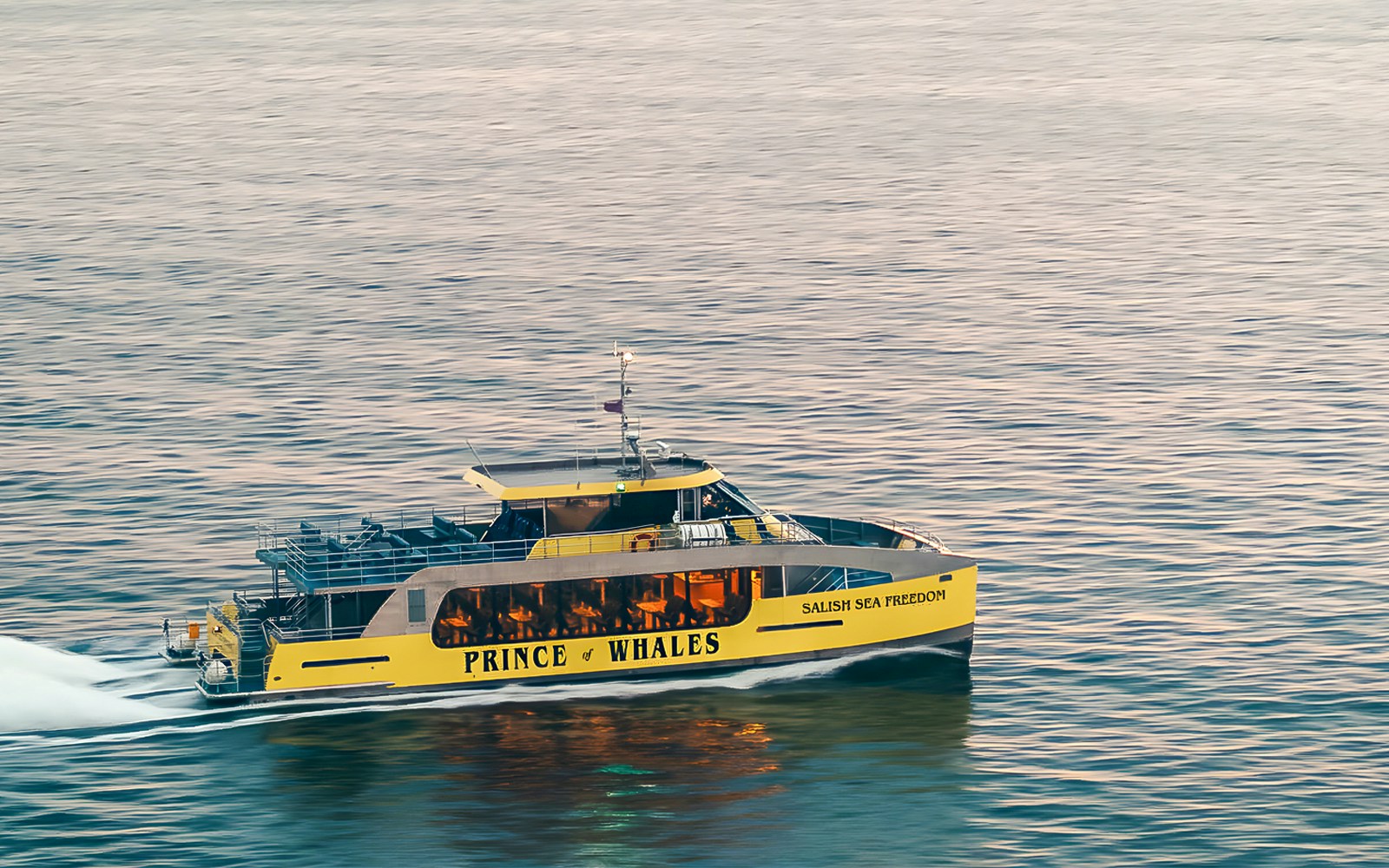
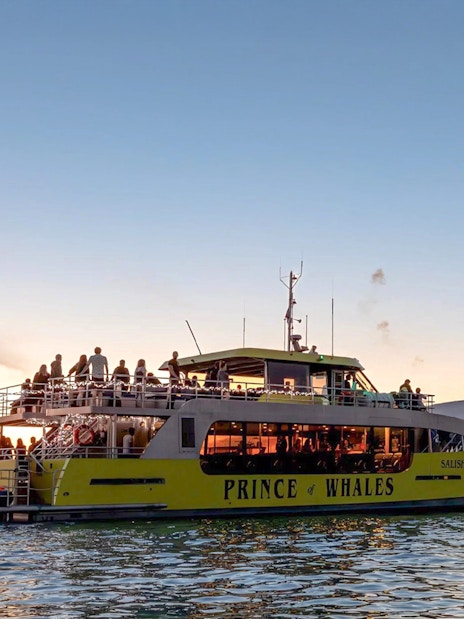
  3. All tours take place in a custom-built, 95-passenger catamaran, designed to be environmentally friendly, comfortable, and fast.
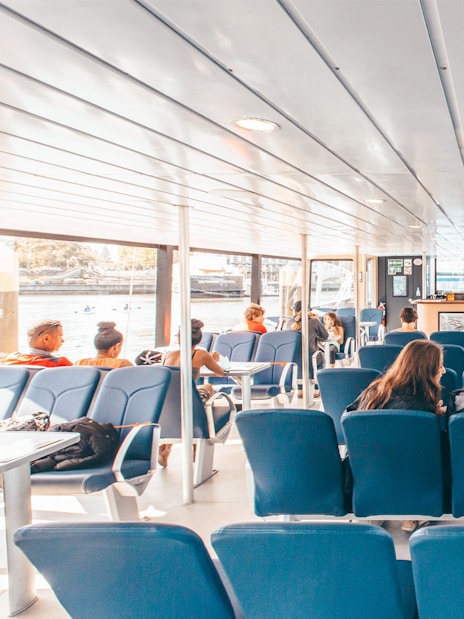
  4. The boats used on this tour are one-of-a-kind, built with a 22-foot elevated platform and 10-foot floor-to-ceiling glass windows for unobstructed views.
  5. The boat is not wheelchair accessible; if you require assistance, inform the operators in advance.
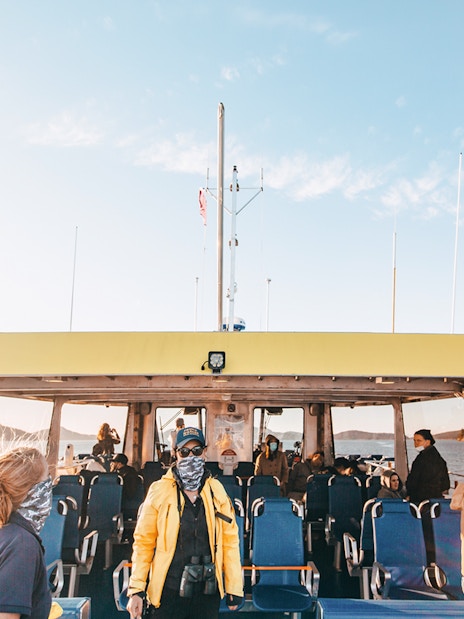
  6. All tours are led by a team of 3–4 Canada-certified marine naturalists who’ll educate you about marine life under the waves.

Highlights from your tour

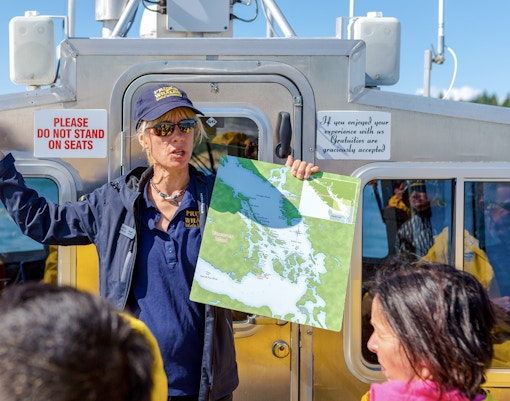
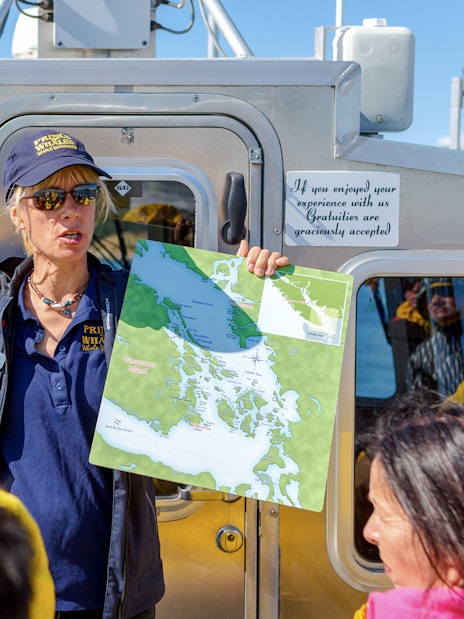
Guide explaining boat tour route with map in hand, Vancouver Island.

Certified marine naturalists

A group of professional, Canada-certified marine naturalists accompanies every tour. They help spot whales and other wildlife, explain behavior and habitat, and share current conservation efforts in the Salish Sea to ensure the experience is informative as well as memorable.

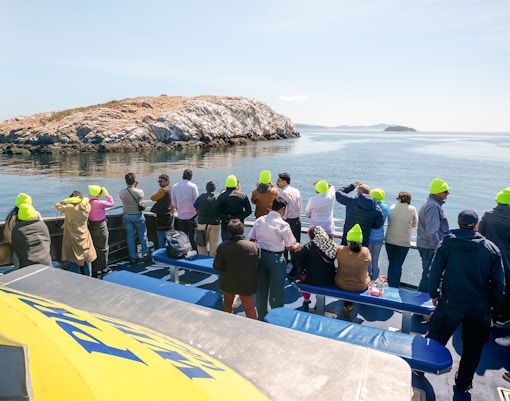
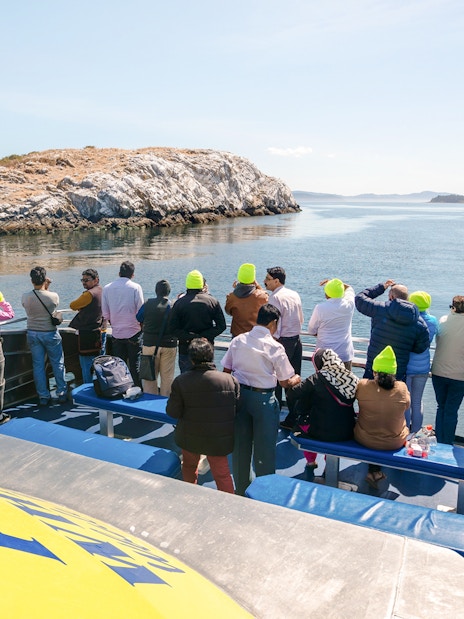
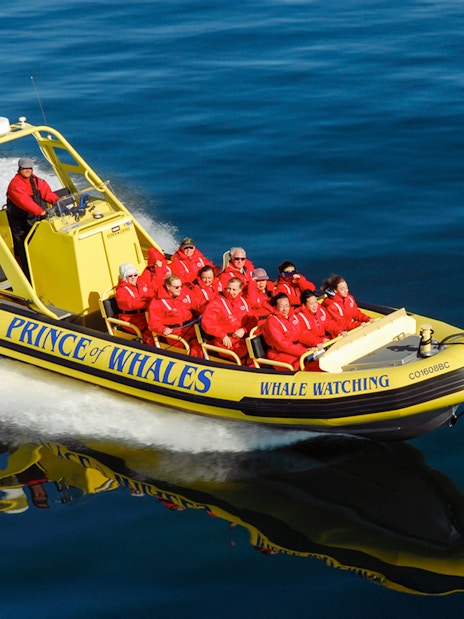
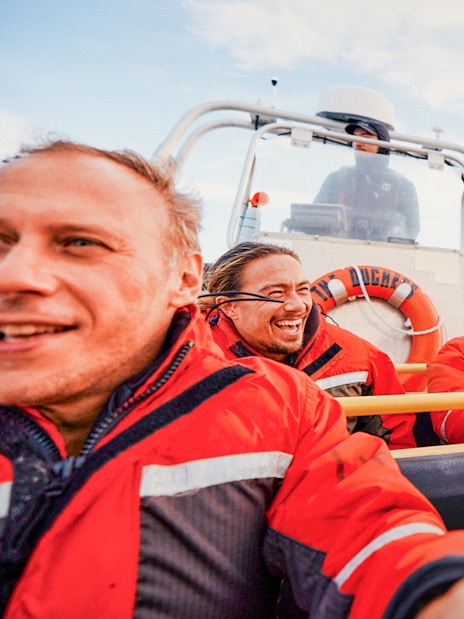
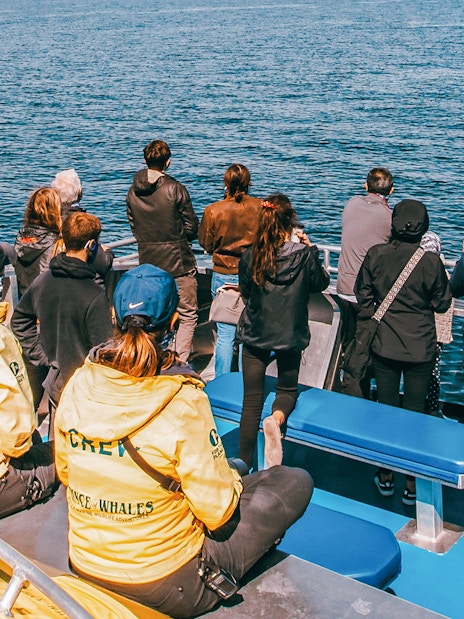
Group on a whale watching tour with Prince of Whales in Vancouver, viewing ocean and islands.

Unobstructed viewing

A 22-foot elevated platform gives you a higher vantage point to spot whales at a distance. Inside, floor-to-ceiling windows ensure clear visibility and continuous viewing without needing to step outdoors.

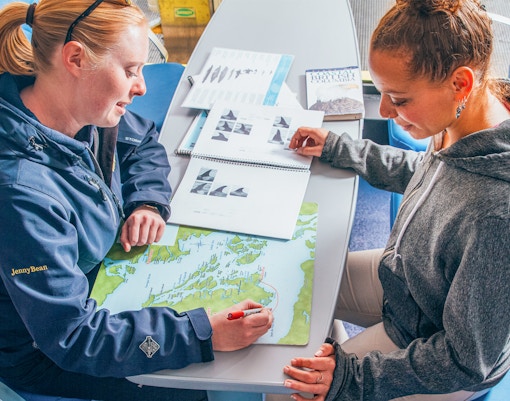
Two women planning a route on a map at a table with travel guides.

Heated cabin and beverages
Stay warm, dry, and comfortable in the heated indoor cabin with spacious seating. Enjoy complimentary hot drinks during the trip, especially useful on early-season tours or days with changing marine conditions.

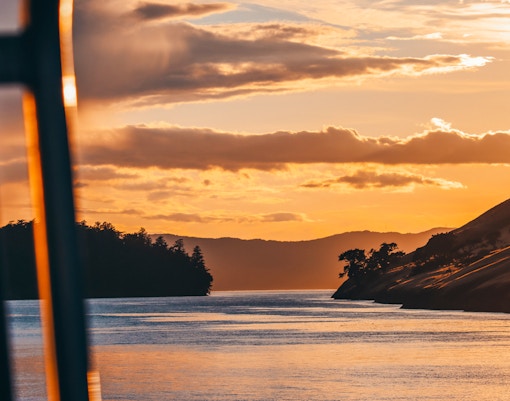
Sunset over a tranquil bay with silhouetted hills and trees.

Scenic coastlines and diverse wildlife
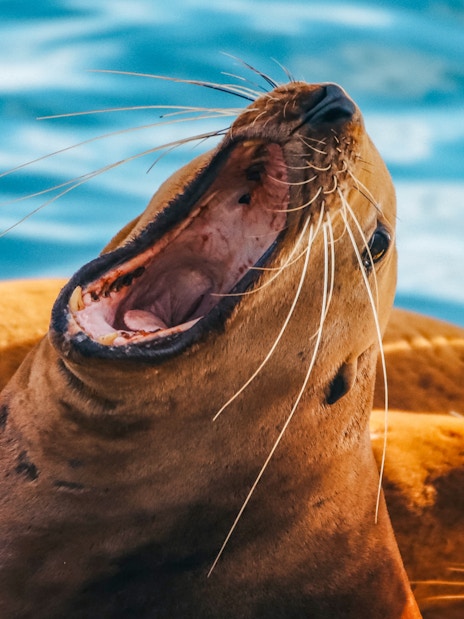
Cruise through the Salish Sea with views of Vancouver’s skyline, coastal mountains, and nearby islands. Wildlife sightings commonly include orcas, humpbacks, sea lions, harbor seals, dolphins, and bald eagles—every tour varies based on that day’s wildlife activity.
Wildlife you’ll spot on your Vancouver whale watching tour

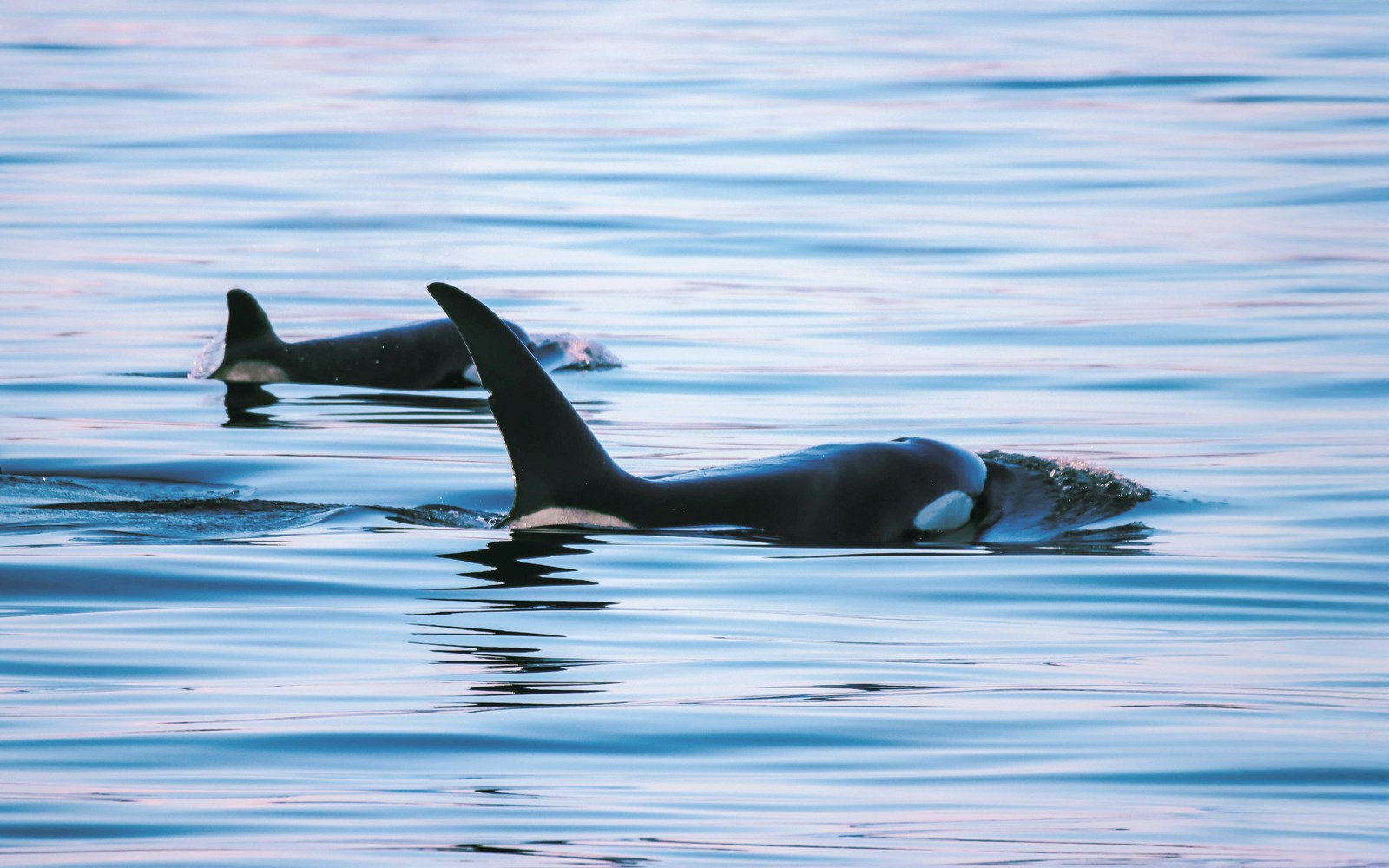
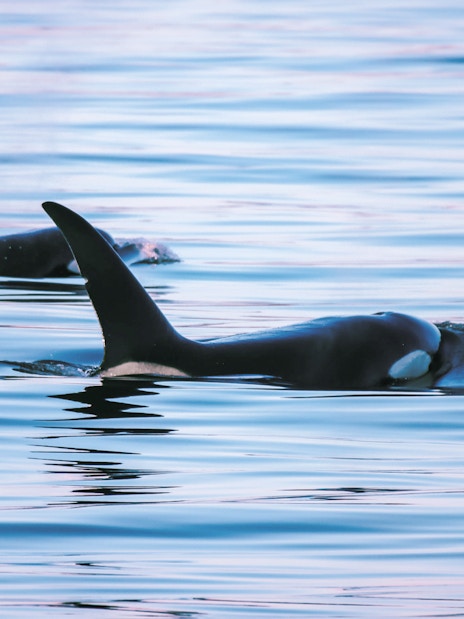
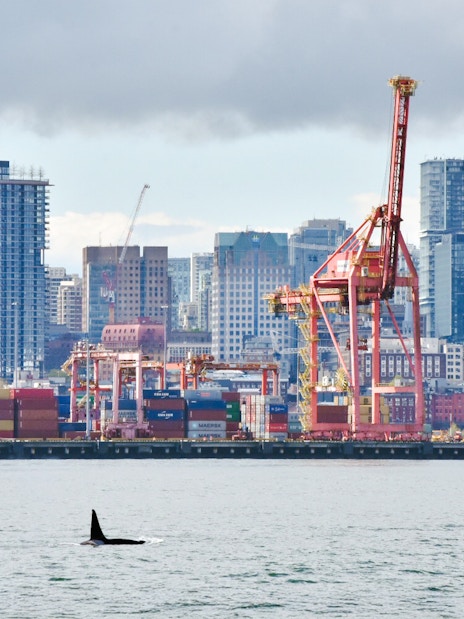
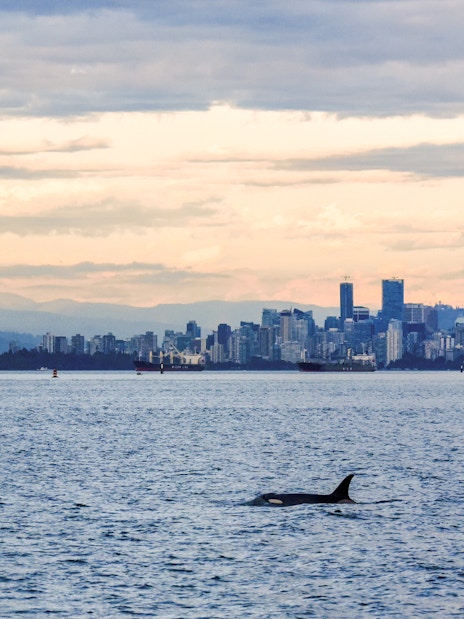
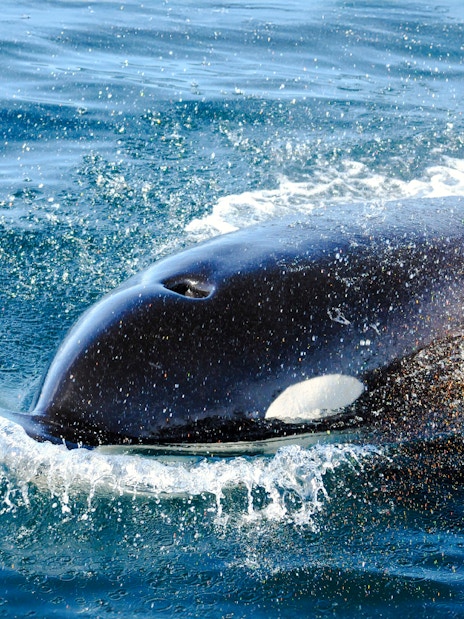
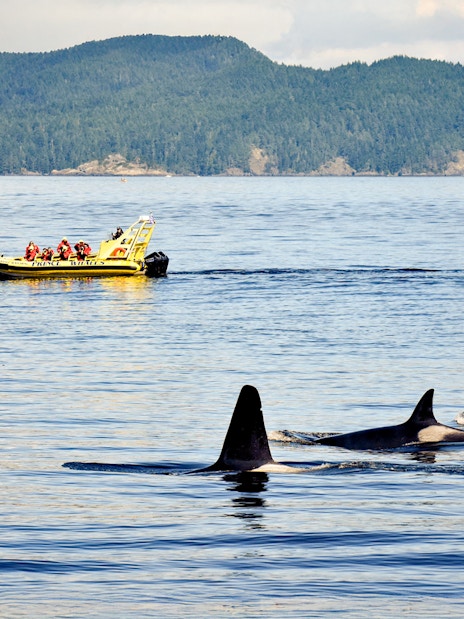
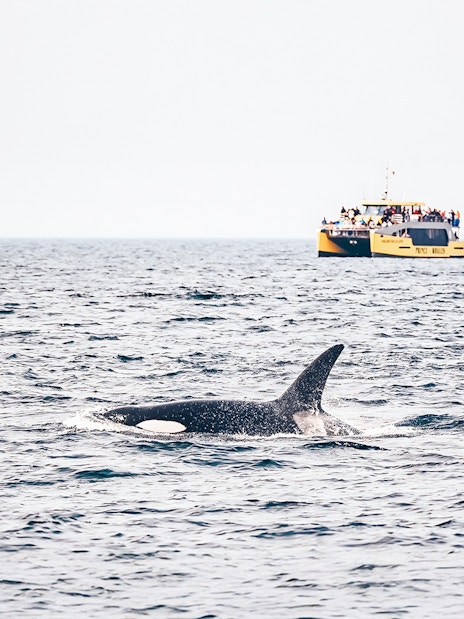
Orcas swimming in the ocean during a Vancouver whale watching tour.

Orca whales

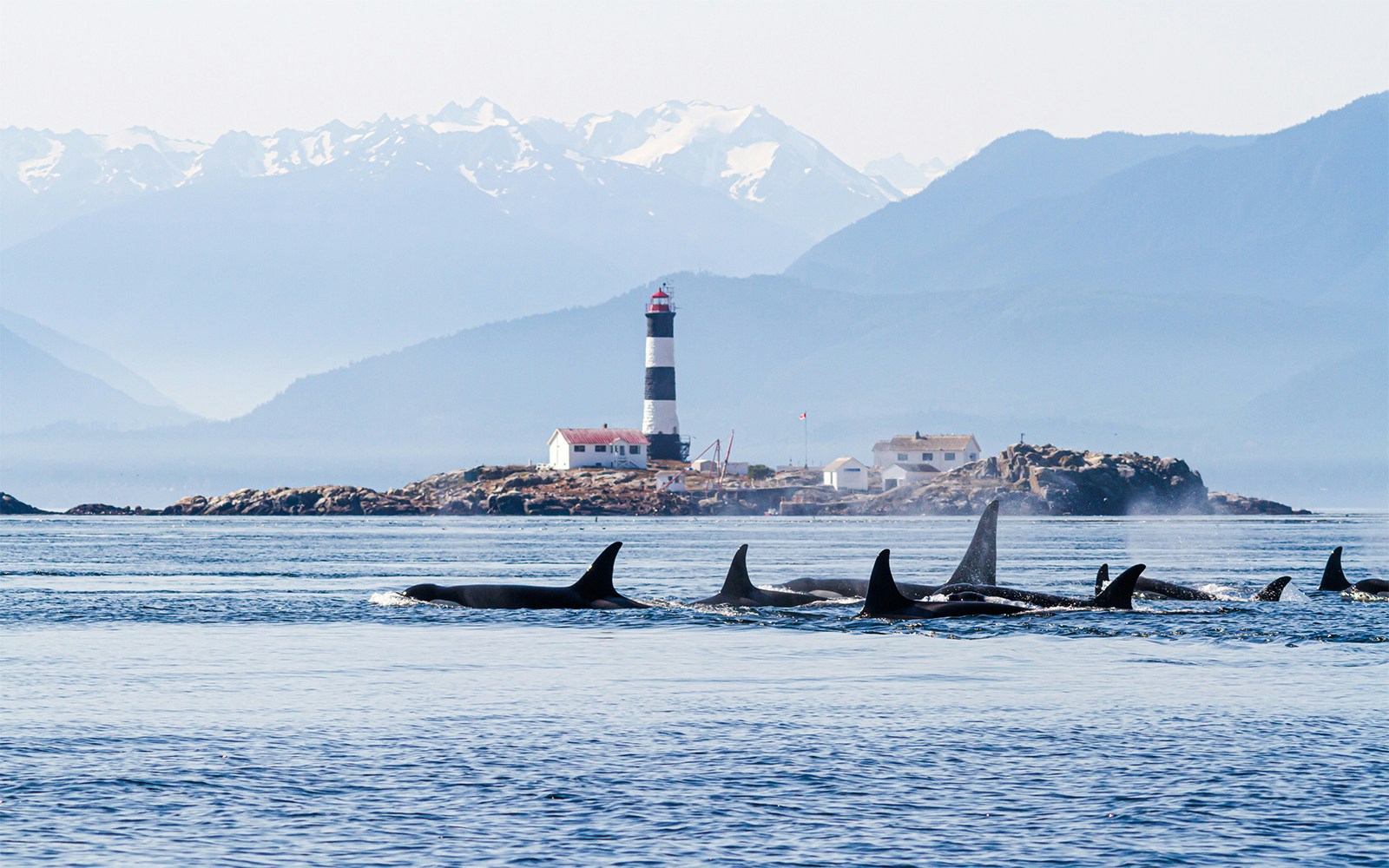
Black-and-white killer whales traveling in family groups, often seen hunting or traveling through the Salish Sea.

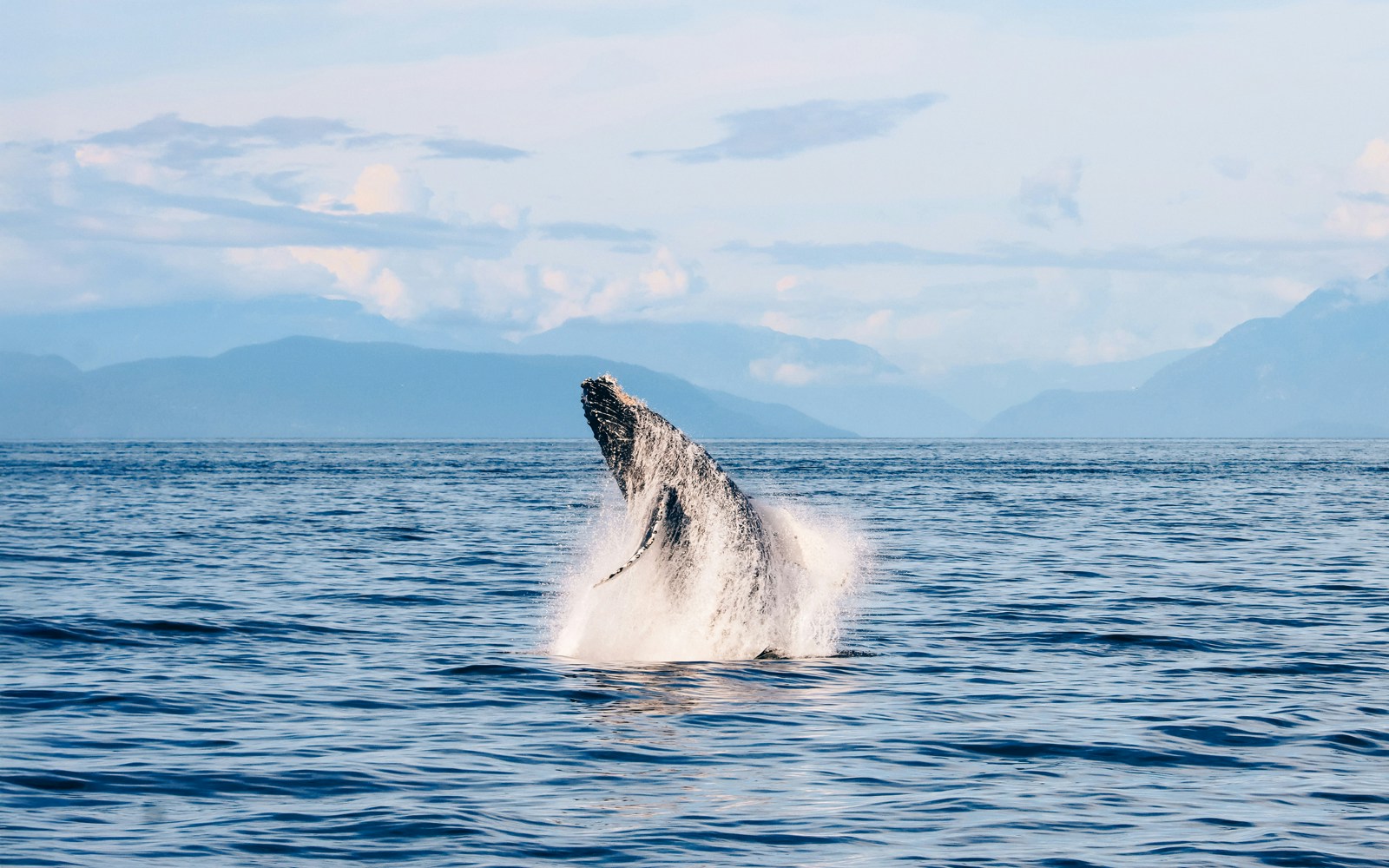
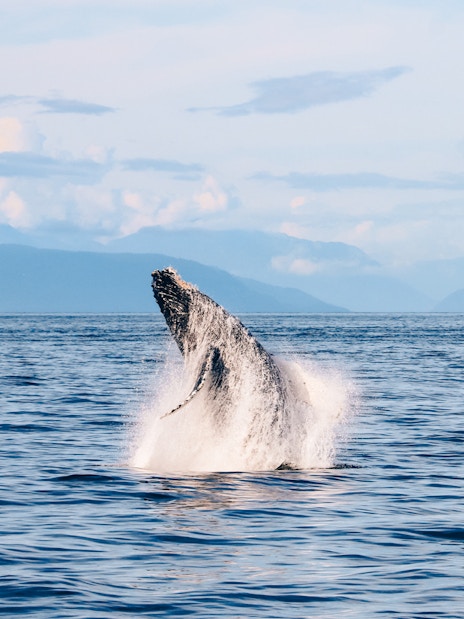
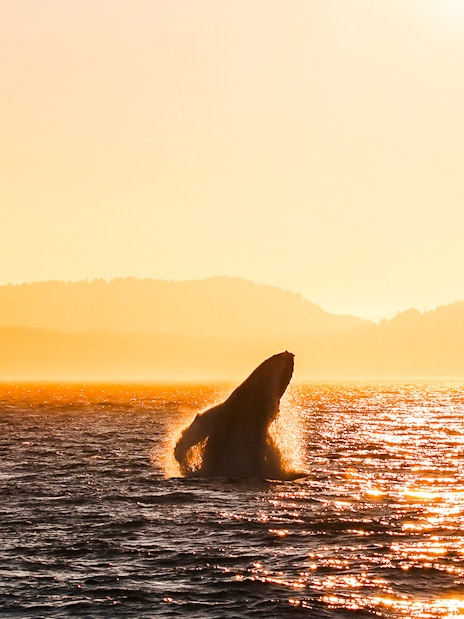
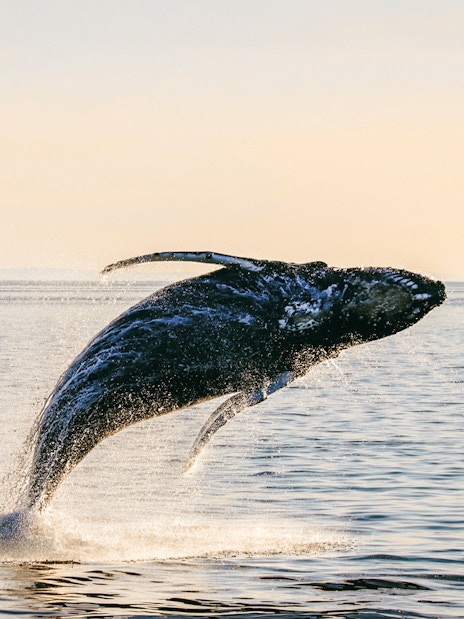
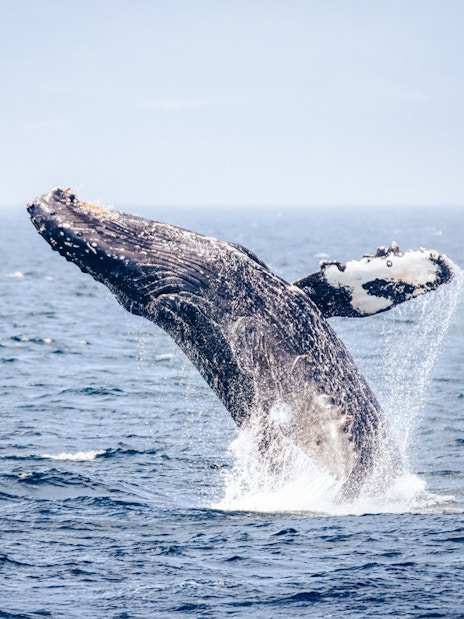
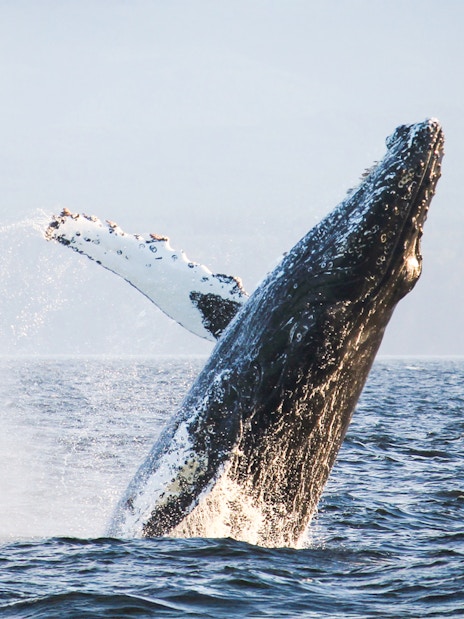
Humpback whale breaching in Vancouver ocean during whale watching tour.
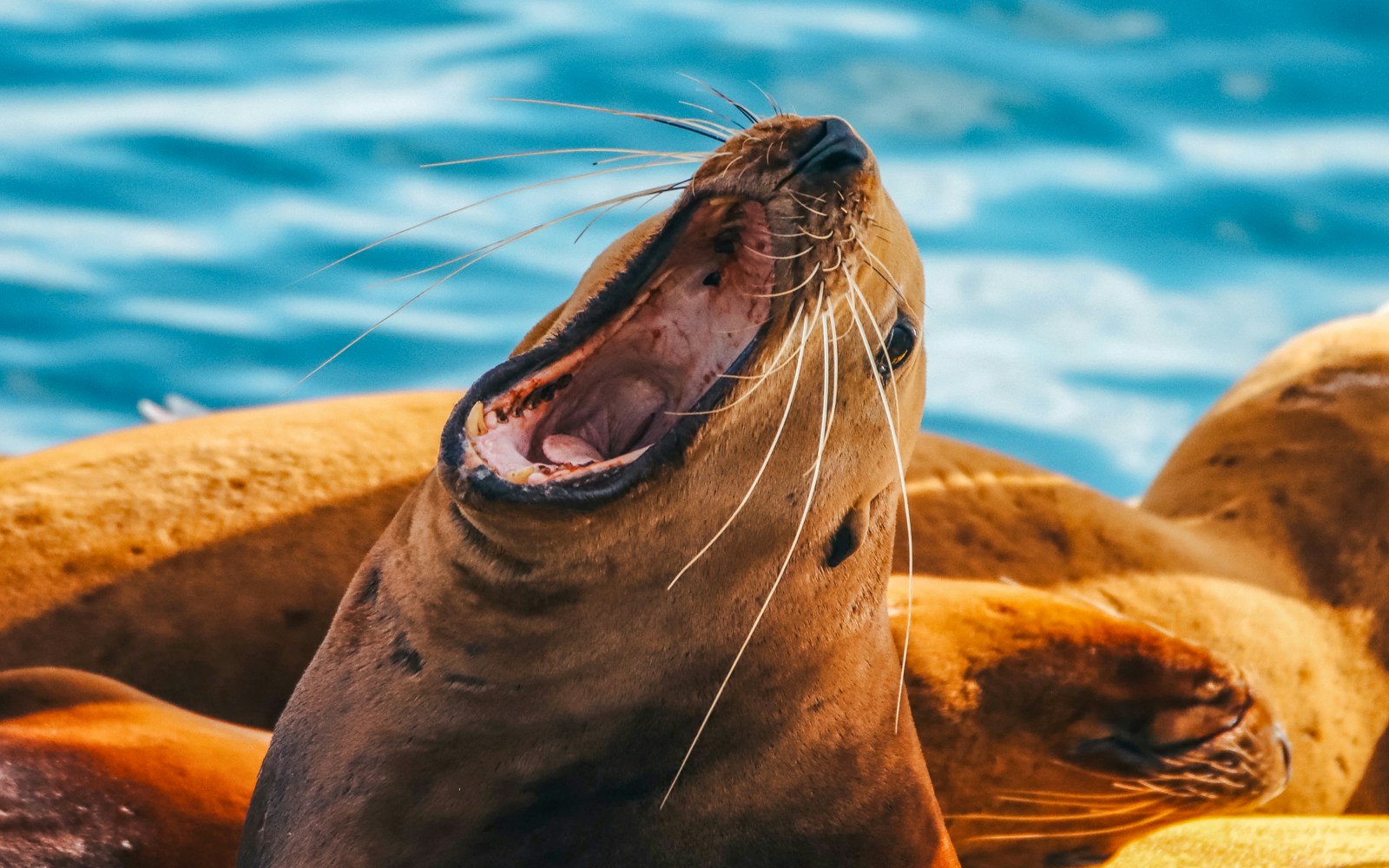
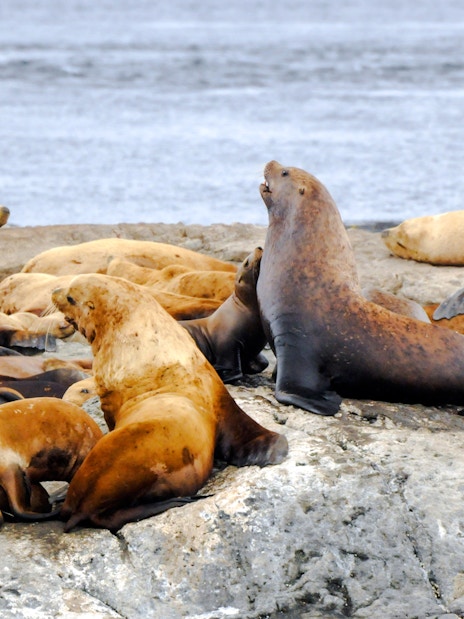
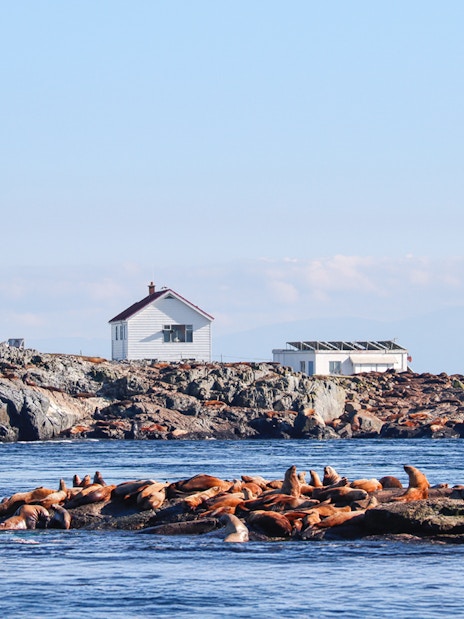
Sea lion resting on a rock during Vancouver sunset whale watching tour.
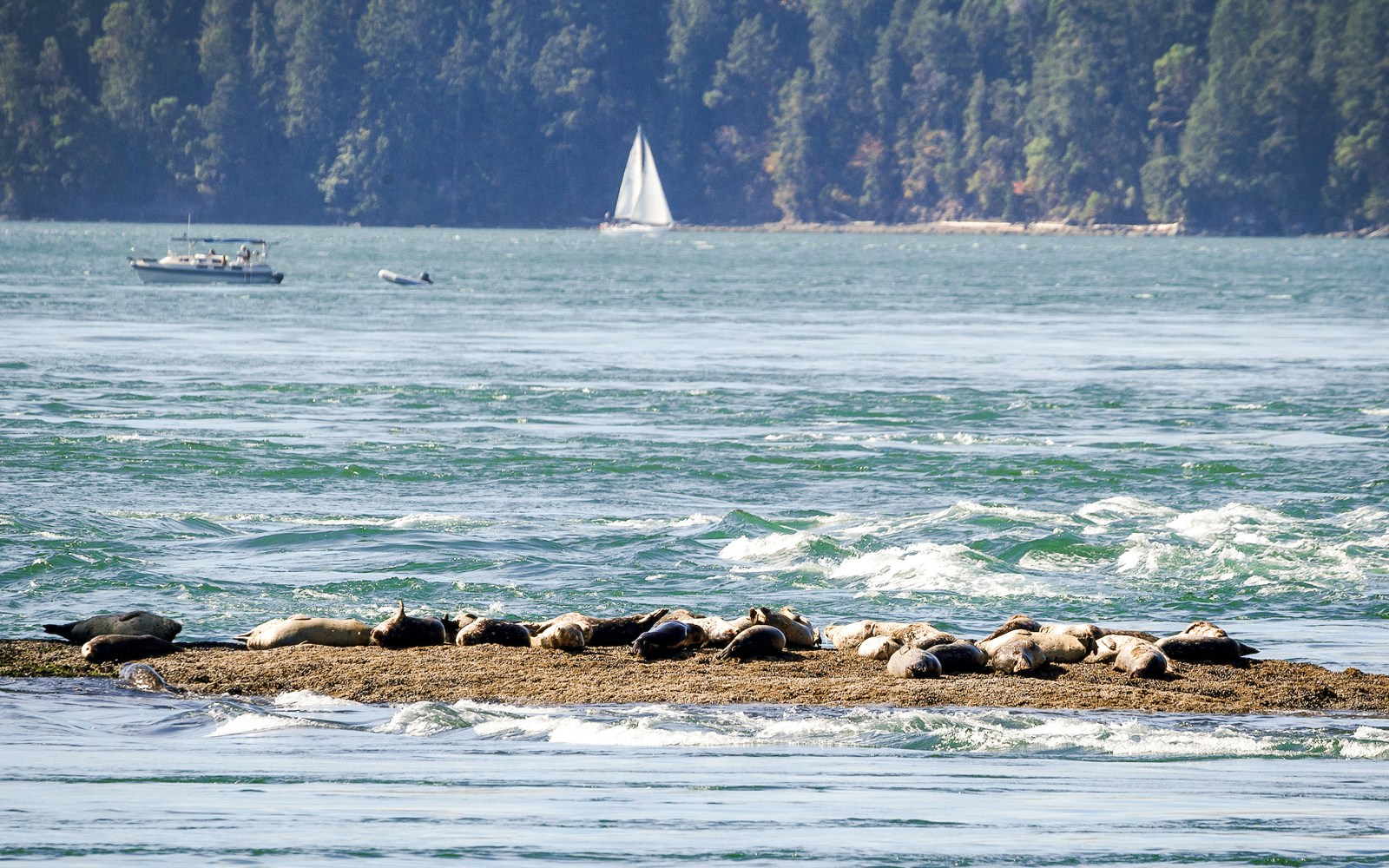
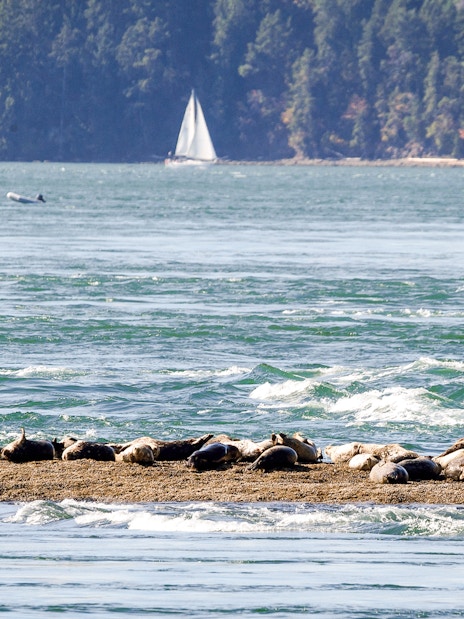
Harbor seals resting on rocky outcrop in Vancouver ocean.
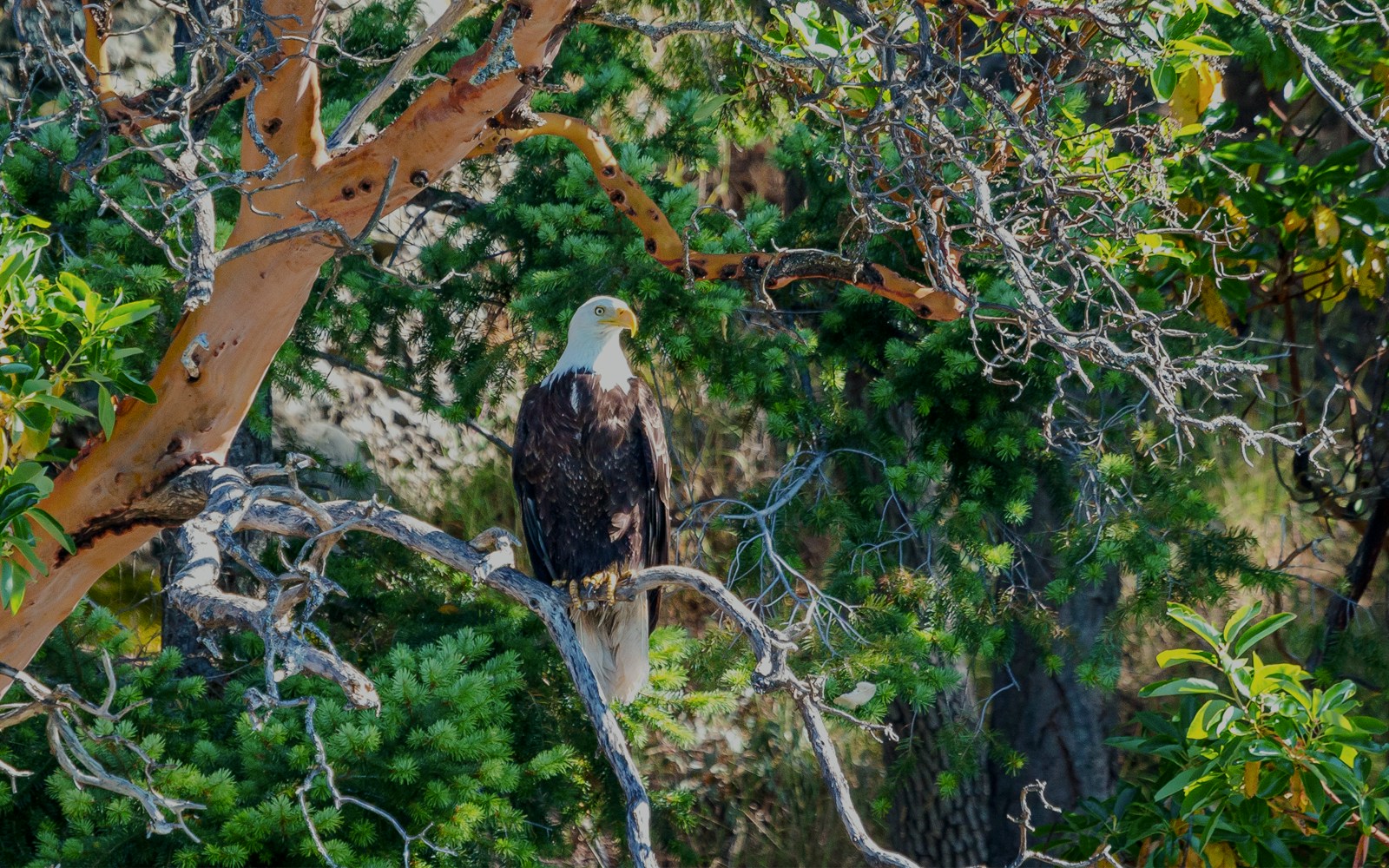
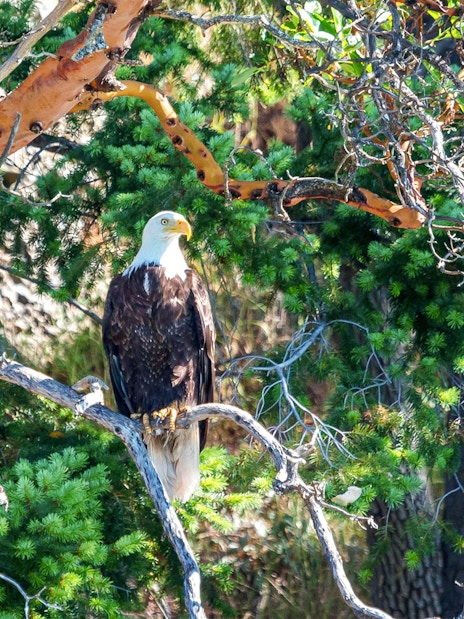
Bald eagle soaring over ocean during Victoria whale watching tour.

Plan your visit

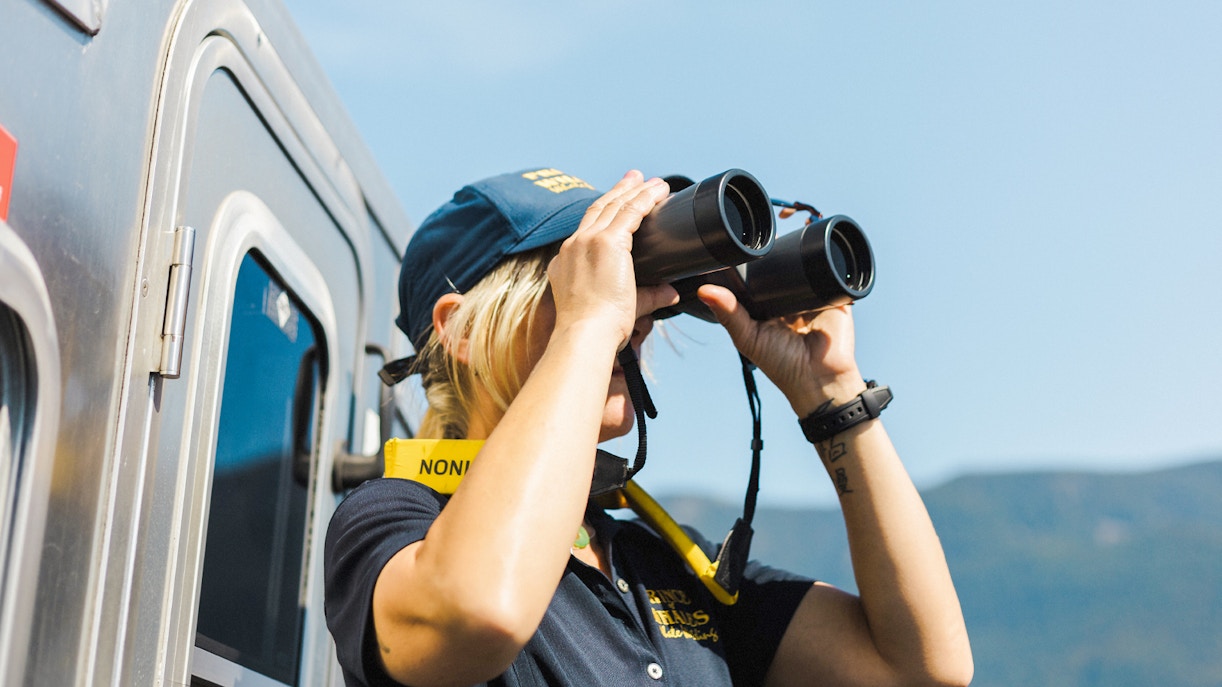
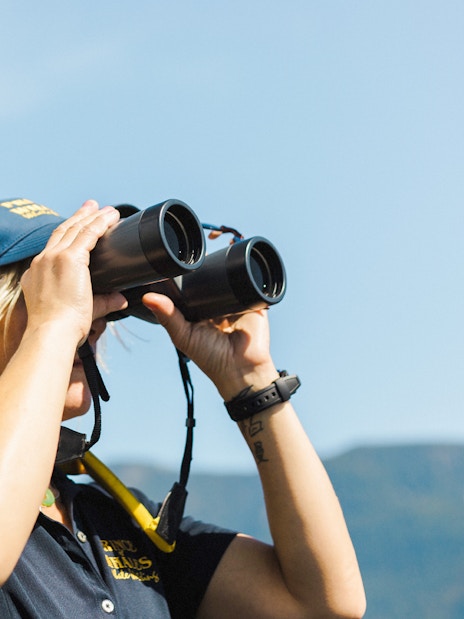
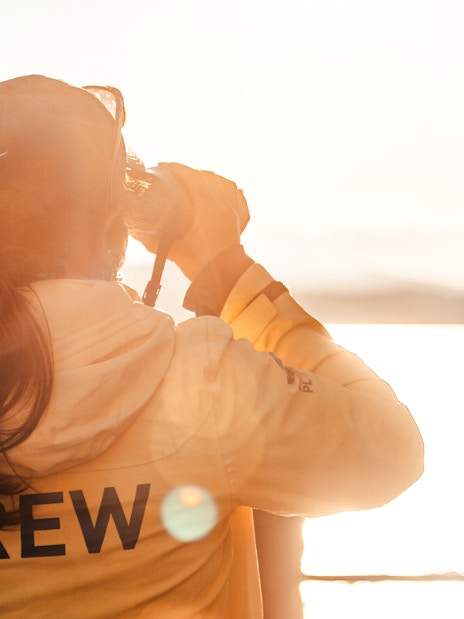
Woman using binoculars on Vancouver whale watching tour.
  • Daytime whale watching tours depart at noon; duration of 3–5 hours.
  • Sunset whale watching tours depart at 4:30pm; duration of 3–5 hours.
  • Tours run daily from November to March, unless extreme weather and marine conditions prevail.

Best time to visit:

  • Peak season for whale watching is from May to September, although tours start as early as March and go on till November.

Address: Granville Island Adventure Centre located at 1666 Duranleau St, Vancouver, BC V6H 3S4, Canada | Find on Maps

Getting here:

Water taxi: A 2 kilometer walk from Downtown, and catch a ferry to cross the False Creek to your departure point.

Modern washroom facilities with sinks and mirrors in a tourist attraction.

At departure point:

  • Guest check-in area.
  • Nearby restrooms, cafes, food market, and seating at Granville Island.
  • Shops for last-minute layers or waterproof gear.

Onboard:

  • Heated indoor cabin
  • Floor-to-ceiling windows
  • 22 feet elevated viewing platform
  • Airline-style washrooms
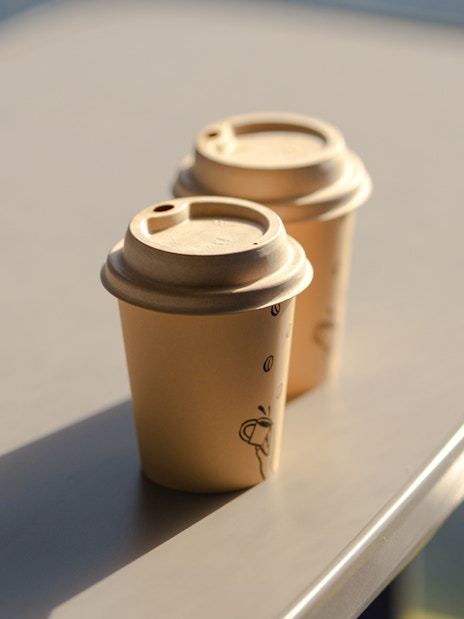
  • Complimentary hot drinks—tea, coffee, and hot chocolate
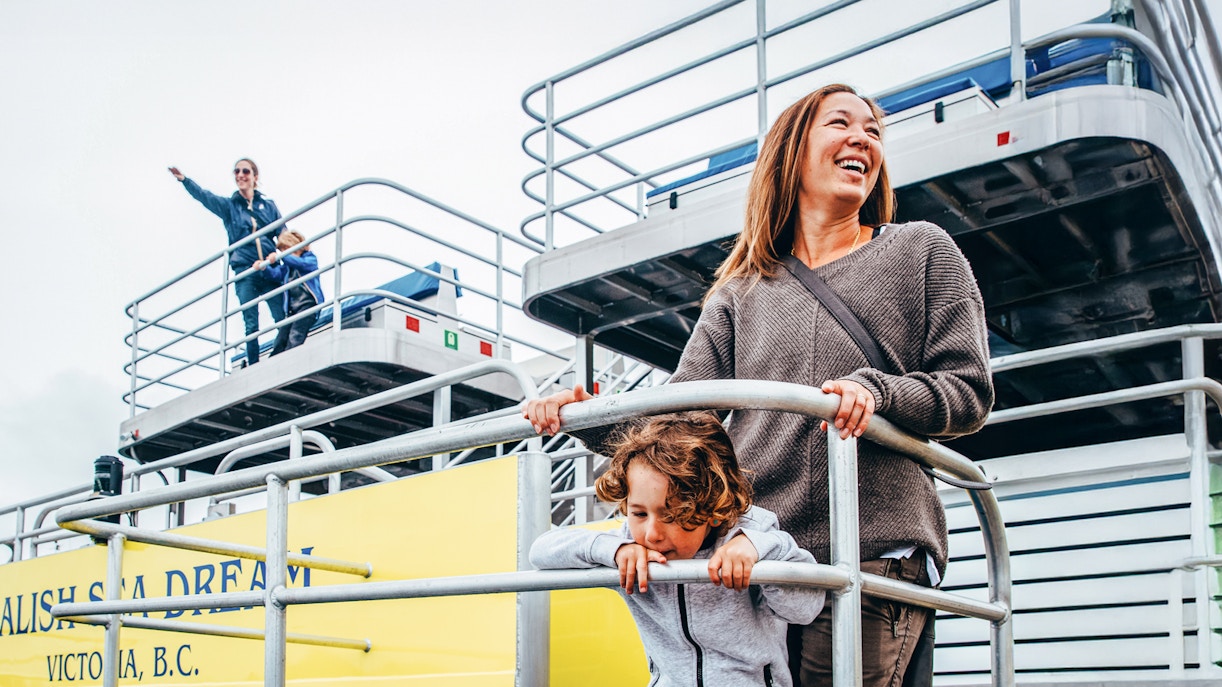
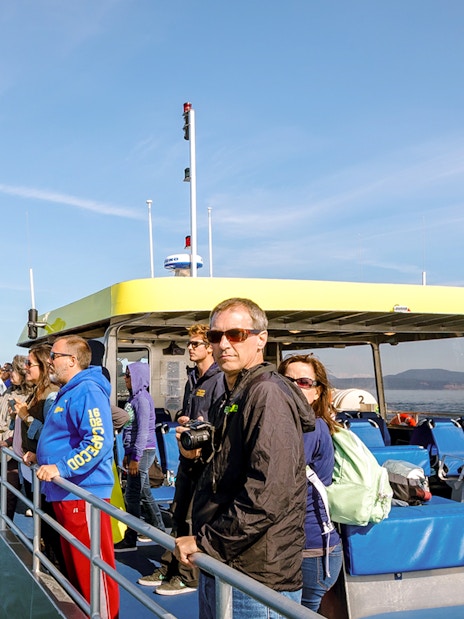
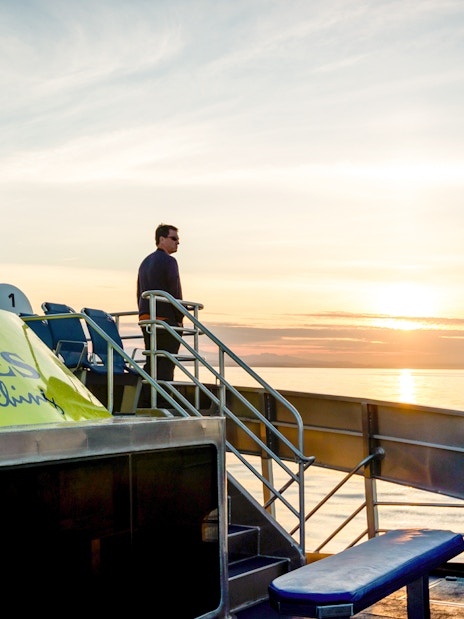
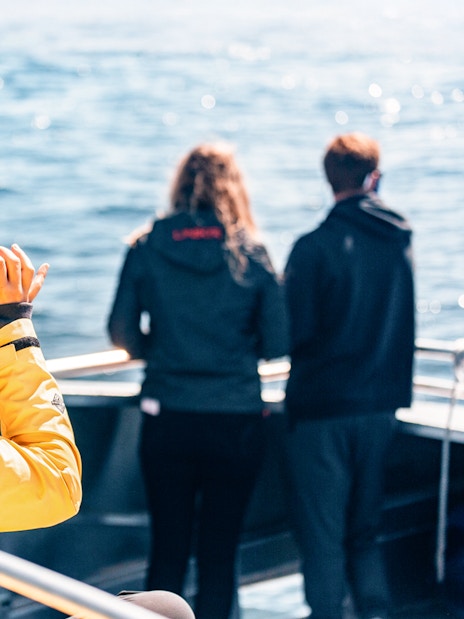
Family enjoying the view from the top deck of a boat in Victoria, B.C.
  • Arrive 30–45 minutes before departure for a smooth check-in.
  • Carry a government-issued ID, if requested.
  • Dress appropriately for marine weather; temperatures are lower on open water.
  • Follow crew instructions for safe footing and movement between decks
  • Flash photography is restricted near wildlife.
  • Avoid feeding or attracting wildlife.
  • Smoking and vaping are prohibited on the boats.
  • Photos from the complimentary photo package will be emailed to you shortly after the tour.

Your checklist for a smooth whale watching tour

  • Arrive early: Plan to reach Granville Island 30–45 minutes ahead. Finding the dock and parking can take time, especially on weekends. Early arrival means a calm check-in and better boarding choices.

  • Dress well, carry extras: It’s always cooler on open water. Wear layers, closed shoes, and bring a windproof jacket. Pack sunscreen, sunglasses, and a camera strap to protect gear from sudden gusts.

  • Follow guidelines: Listen for instructions when moving between viewing areas. Keep your hands free on stairs and railings. Avoid loud noise or flash photography that could disturb wildlife during viewing stops.

  • Stay curious: Ask the naturalist questions—they help you spot behaviors you might miss. Check the horizon frequently; whales can appear suddenly in different directions during the trip.
  • Capture moments: Keep your camera ready, but also enjoy the view directly. Use short bursts for breaching whales, and back up photos with the free post-tour photo package.

Sights along the way

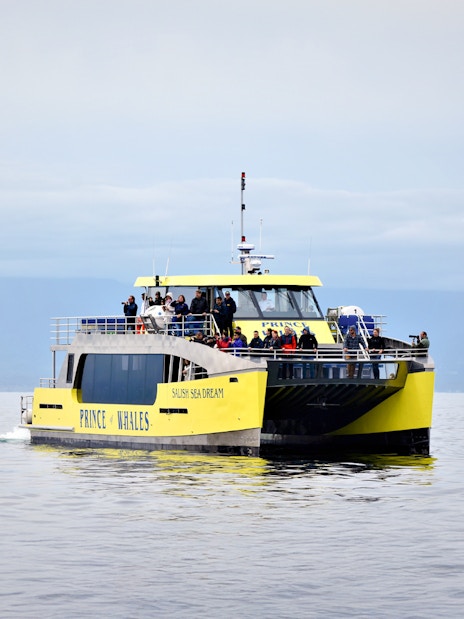
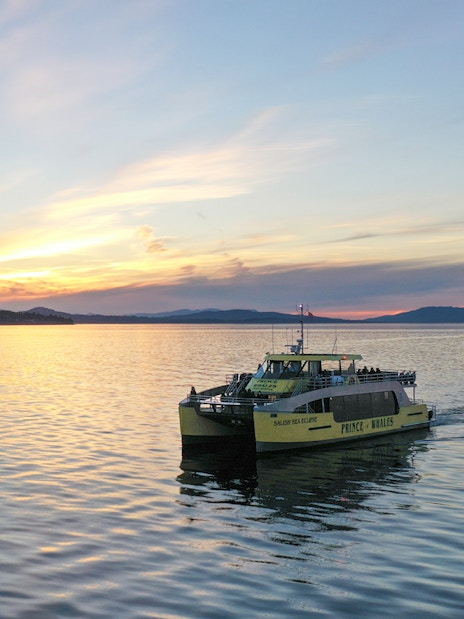
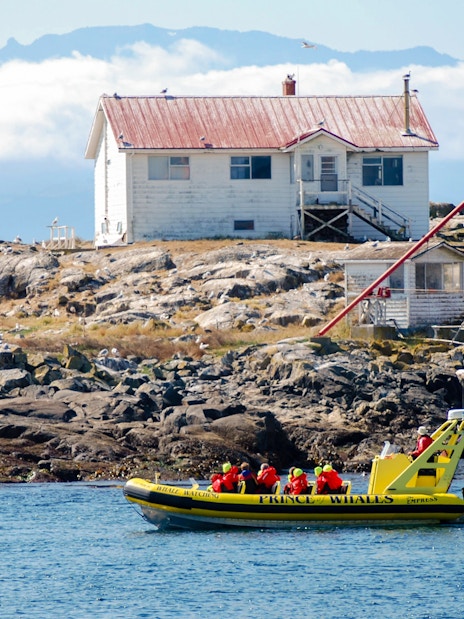
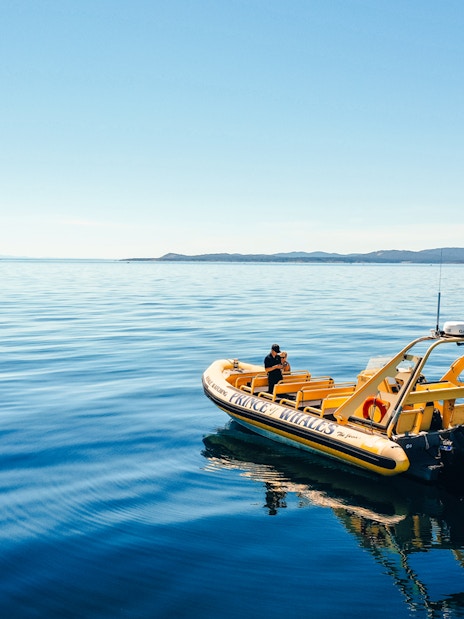
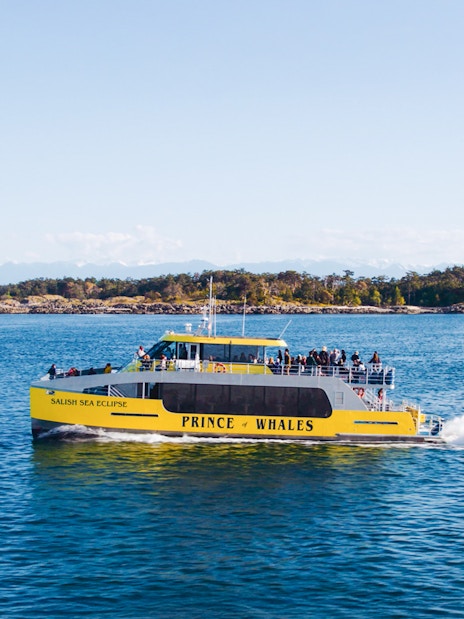
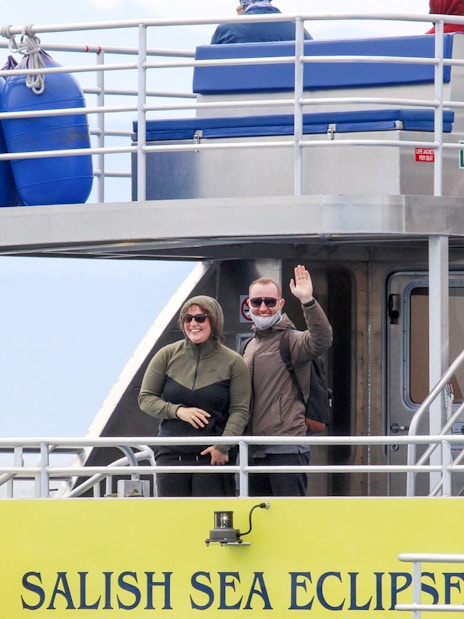
Whale watching boat Salish Sea Freedom on the water, operated by Prince of Whales.
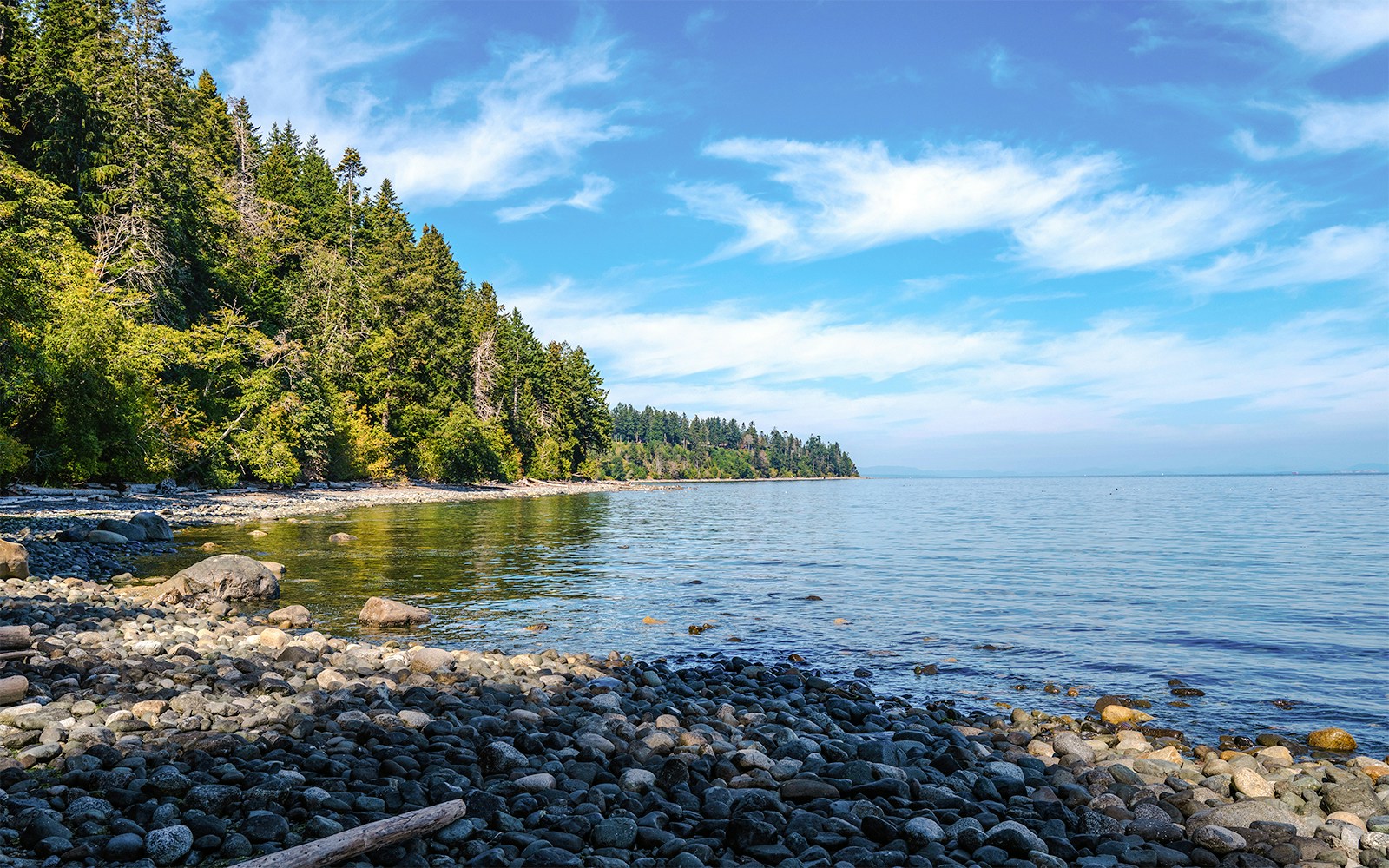
Rocky beach on Vancouver Island with view of Strait of Georgia and forested shoreline.
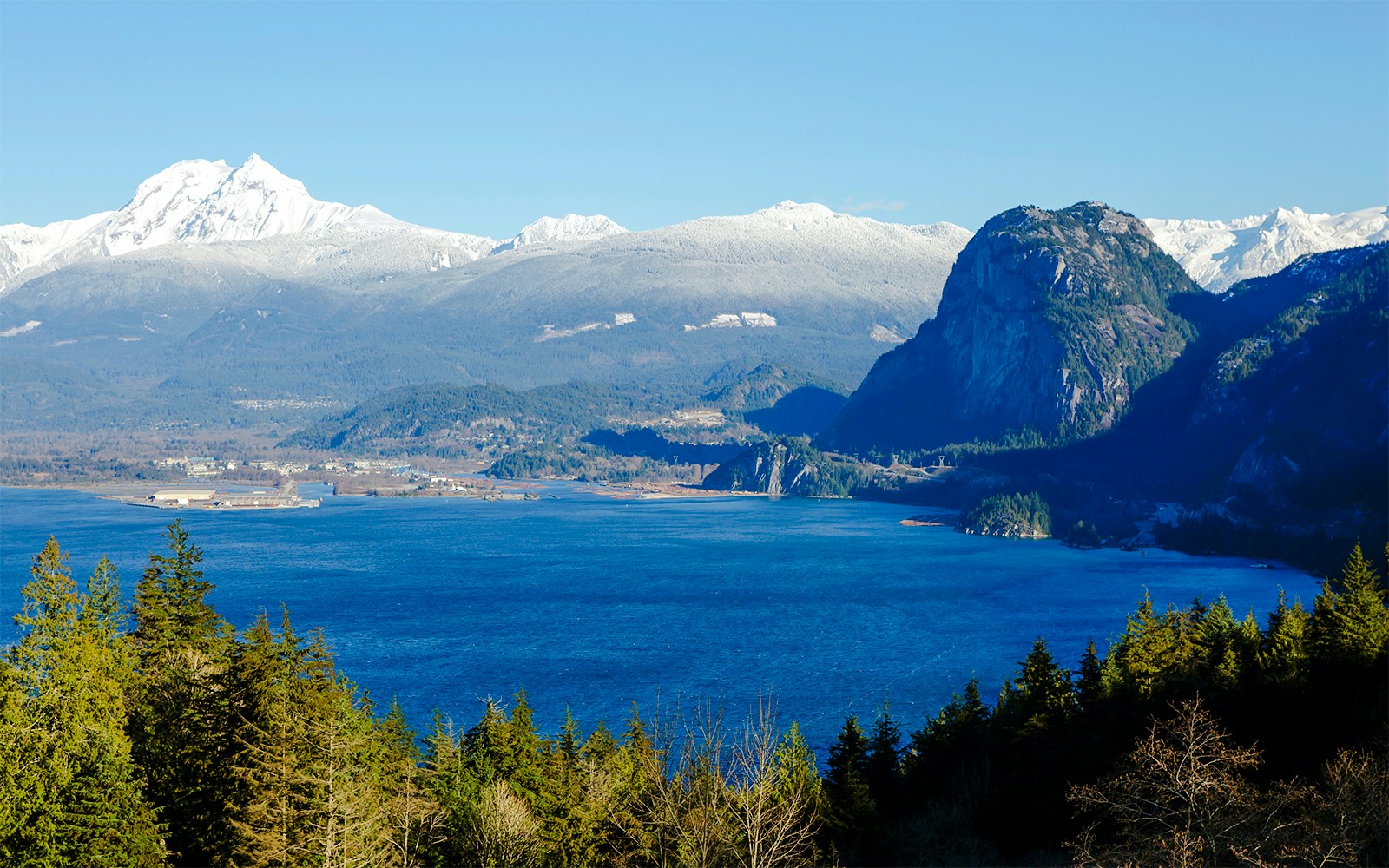
Howe Sound in Canada with snow-capped mountains and blue waters.
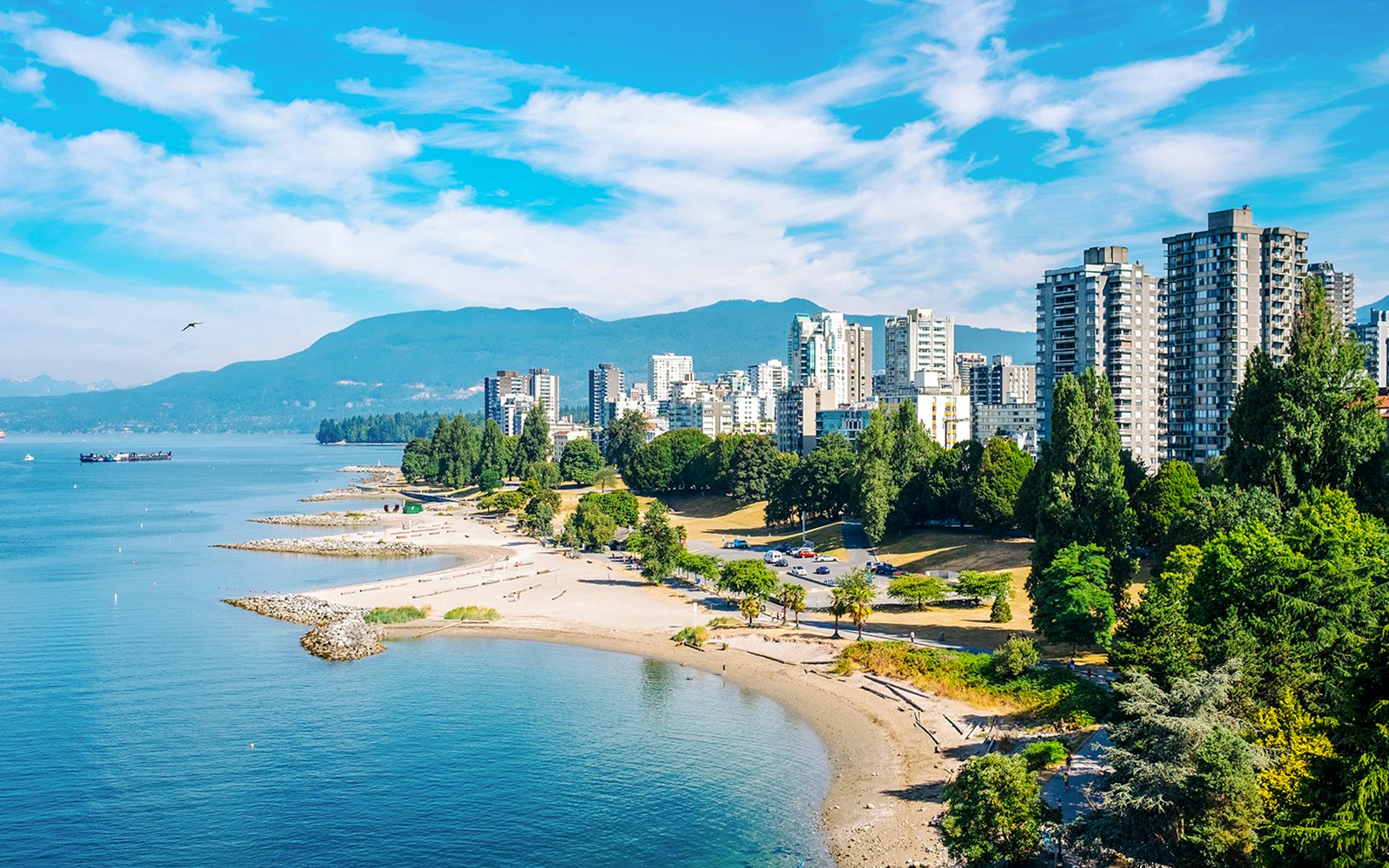
English Bay shoreline with cityscape and mountains in Vancouver, Canada.
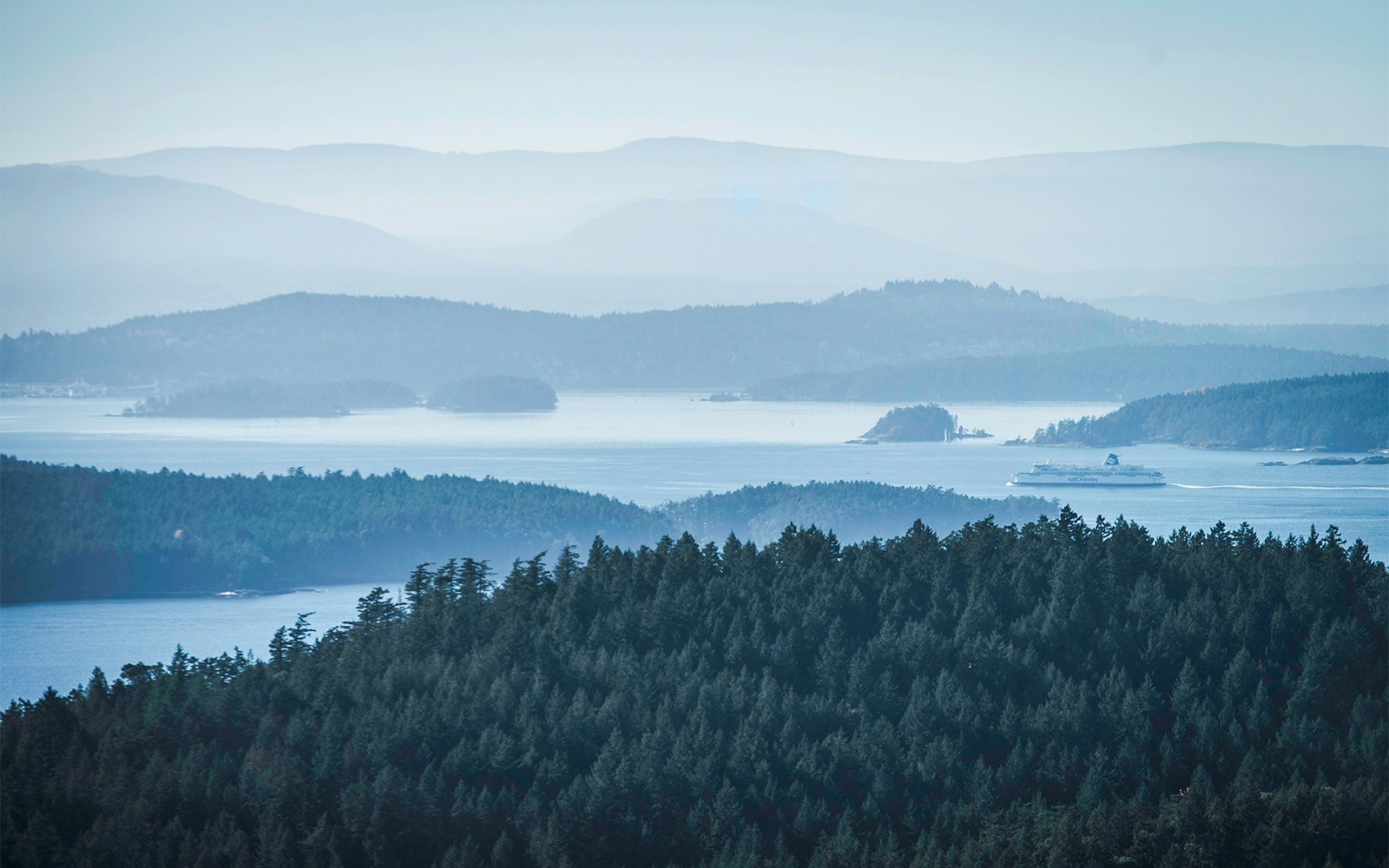
Misty morning view of islands and ferry from Pender Island, Gulf Islands, Vancouver.
Orcas swimming near Race Rocks lighthouse in the Strait of Juan de Fuca.
1/6

Salish Sea

A marine ecosystem shared by British Columbia and Washington, known for diverse whale populations and frequent orca and humpback activity.

Strait of Georgia

Protected inland waters between Vancouver and Vancouver Island, where humpbacks forage and sea lions cluster near rich feeding grounds.

Howe Sound

A scenic fjord north of Vancouver, backed by steep mountains, with dolphins, seals, and occasional transient orca sightings.

English Bay

Open waters beside downtown Vancouver, offering skyline views as the boat heads toward active whale areas farther offshore.

Gulf Islands

Sheltered island channels east of Vancouver Island, often part of the route when whale sightings occur near kelp beds and rocky haul-outs.

Juan de Fuca Strait

A major migration corridor near the US–Canada border, where whales frequently travel between the open ocean and inland waters.

Note: Route varies daily based on whale locations. Your captain selects the most active areas to maximize sightings.

Frequently asked questions about Vancouver whale watching tours

What types of whales can I see on this tour?

You may spot orcas (killer whales), humpbacks, gray whales, and minke whales, depending on the season and marine activity.

When is the best time of year for whale watching in Vancouver?

May through October offers the highest success rate, especially for humpbacks and orcas.

How close do the boats get to the whales?

Operators follow government-regulated distances to keep wildlife safe, but the animals often choose to approach the boats on their own.

Will I definitely see whales?

Whale sightings are not guaranteed, as these are wild animals; however, success rates are typically above 95% during peak season. All tours offer a free return-trip guarantee if no whales are spotted.

Does this experience support marine conservation?

Yes. Operators follow responsible wildlife-viewing guidelines and often contribute to research and rescue initiatives in the Salish Sea.

How far in advance should I book my whale watching tour?

Tours frequently sell out in peak season (May–September), especially morning departures. Booking at least 1–2 weeks in advance is recommended to secure your preferred date and time.

What types of whale watching tours can I choose from?

Choose from daytime tours and seasonal sunset cruises. Both include guided wildlife viewing with certified naturalists; the main difference is lighting, ambiance, and potential marine activity patterns.